THE “NEW” DOUBLES
The “ Pinch “ or “ 2 0n 1”
NADAL AND ALCARAZ TO PLAY DOUBLES TOGETHER IN OLYMPICS
That headline got some attention. The Spanish duo, history’s elite, past and future singles icons, playing doubles.
I watched too, but maybe with a new observation:
Credit as due—my first glance at this strategy came while watching the NCAA WOMEN’S DOUBLES this spring.
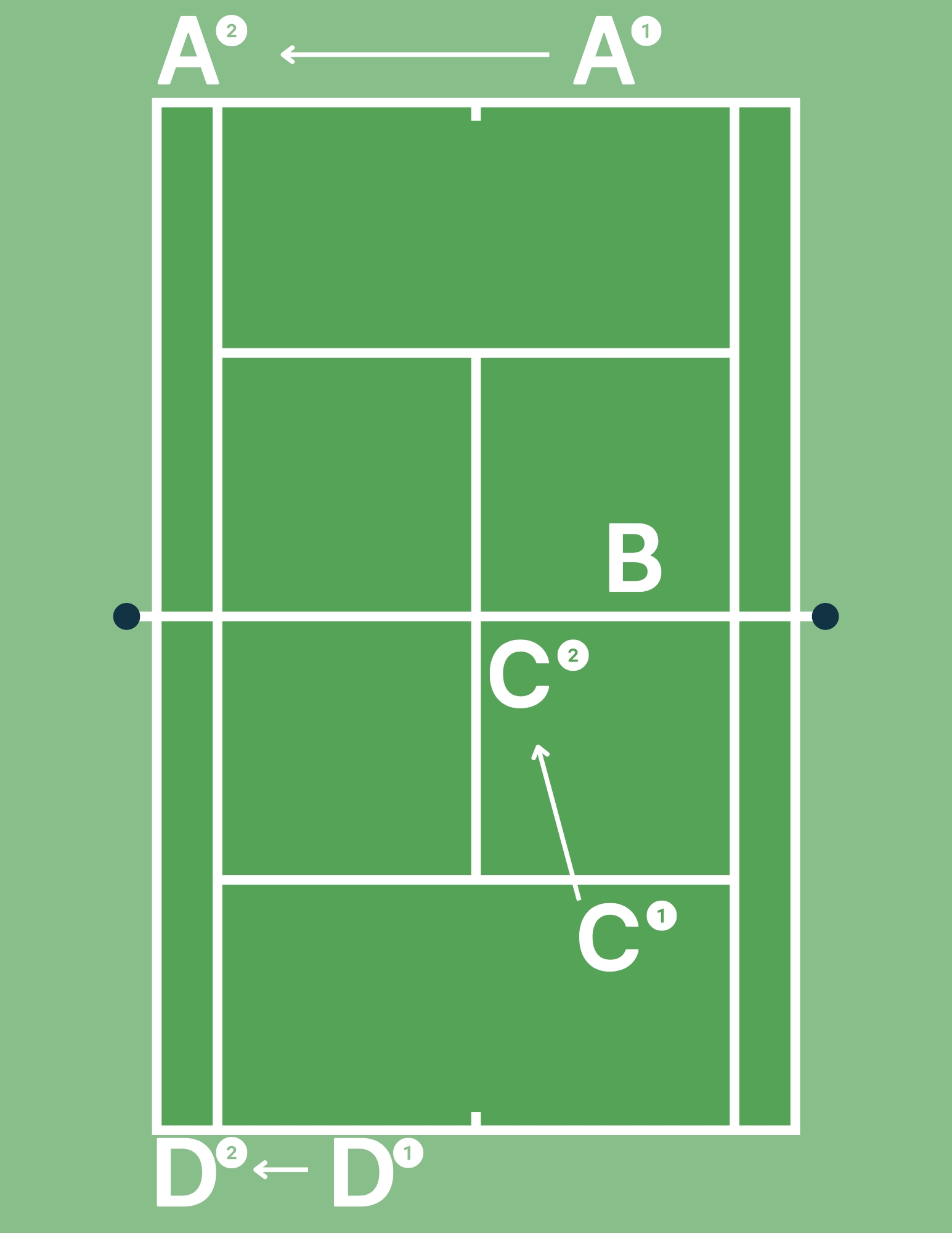
THE GOAL is to pin the server deep and wide on the baseline. Assuming all four players are right handed and the point is from the ad court, , the best way to begin is with a great service return down the line. This flies in the face of conventional thought which sends the return crosscourt. AND DOWN THE LINE IS TOUGHER TO DO.
However, Tactic 2 ups the ante. Once the receiver’s partner recognizes this return he moves to a unique position at the net, almost up to the net and in the MIDDLE of the court. This does two things (1) it cuts off almost all but the super angled crosscourt return and (2) renders the server’s partner to a neutralized position.
The College Women used this basic formation, and multiple variations of it, to achieve the same goal : To limit the opponent’s best option to a “down the alley” rally—-with our net player in a much better position to attack. And to put pressure on the opposition.
As the Olympics match began to progress I noticed both professional teams were not only aware of this strategy, both were using their own variations , OFTEN with great success.
Alvarez and Nadal have been singles specialists. Doubles is a different game. A team game, with different shots from different places. VOLLEYS, QUICKNESS, SERVICE RETURNS, ANGLES AND LOBS.
While odds favored the Spaniards doubles, a less familiar game featuring a new effective ploy, evened the match ( 7/6, 6/4 ).
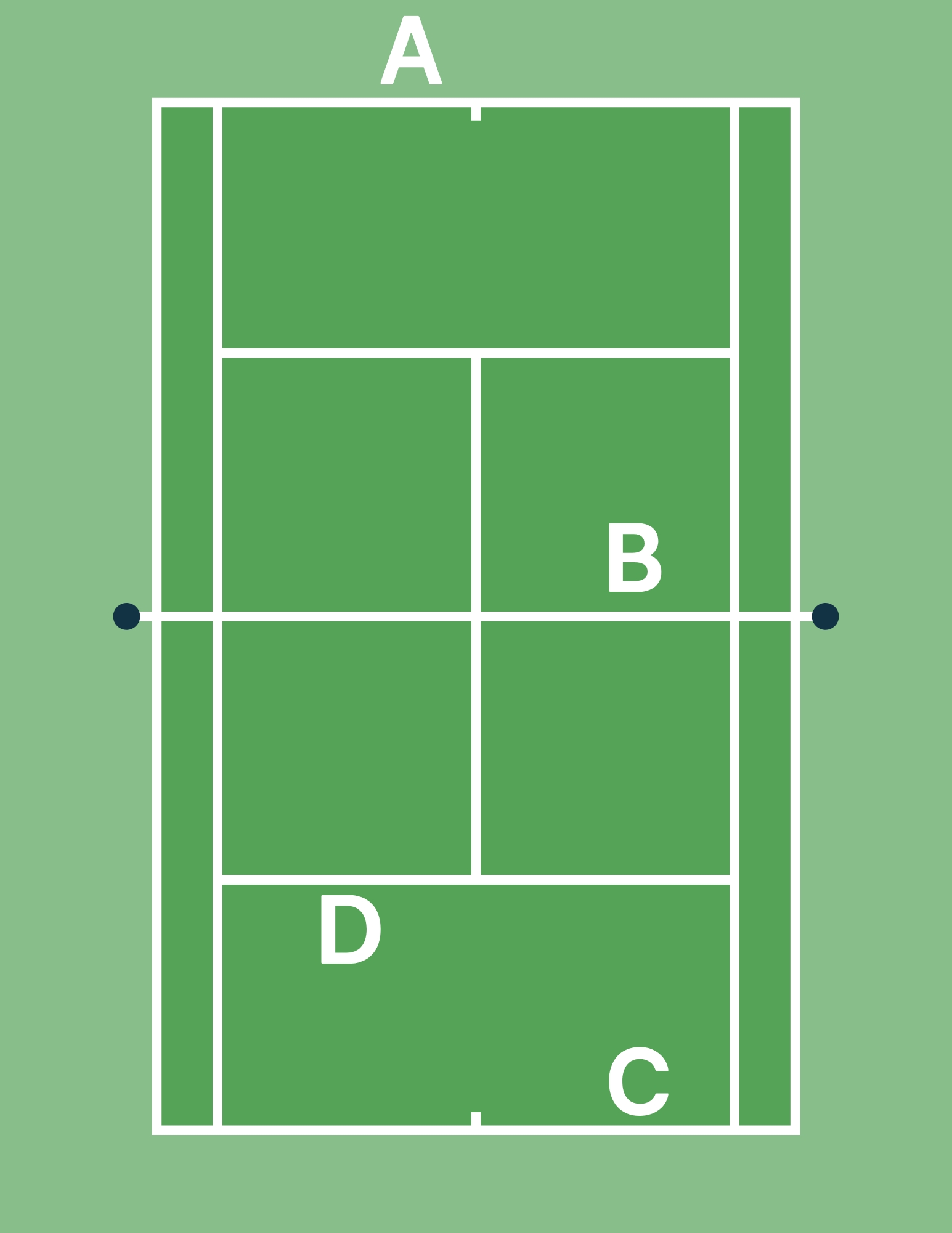
The two diagrams below reflect
1. Traditional alignment for the four players and 2. The alignment goal of THE PINCH ( One variation ).
Here is a clip from an earlier blog—College Doubles
The most fun in tennis is playing for your school team. The doubles point often dictates the team winner. American college coaches. all things equal, recruit players who are good at both singles and doubles.
I believe college women will find great pro possibilities in doubles because of the unique efforts in developing doubles teams.
One flaw in American Junior development is the emphasis on singles ranking only. Doubles play is considered a detriment to singles rank. What if players were ranked on singles and doubles combined. Or simply a combination ranking?
Actually men’s college doubles vets shone brighter this WIMBLEDON. Henry Patten for the UNC Asheville Bulldogs, a winning partner in doubles. Rob Galloway of the Wofford College Terriers played a spectacular first set in doubles second round. Doubles COUNT in college tennis and the results shed light on a bigger issue. Having coached against Wofford and UNC Asheville years back I can describe them as small mid majors in the NCAA.
COLLEGE TENNIS HAS BECOME THE MINOR LEAGUES OF PROFESSIONAL TENNIS
 The Little Green Book of Tennis